Order before 2:00 PM - your package will be shipped the same day!

Nickel
Nickel (Ni) is a naturally occurring metal and a widely used industrial element. In trace amounts, it is generally harmless, but excessive exposure can cause health issues such as skin irritation, allergic dermatitis, and respiratory problems. Nickel is also classified as a potential carcinogen, with higher risks observed in occupational environments where exposure levels are elevated.


Description
Who would benefit from testing their nickel levels?
Testing for nickel levels is advised for individuals with occupational exposure, such as those working in metallurgy, mining, and electroplating. People with chronic dermatitis or allergic reactions without a clear cause might also benefit, as nickel is a common allergen. Residents in areas with high environmental nickel pollution or near industrial sites should consider testing too.
What are symptoms of high nickel levels?
- Skin allergic reactions, like dermatitis
- Respiratory problems, including chronic bronchitis and reduced lung function
- Nasal sinusitis and nosebleeds
- Increased risk of lung and nasal cancers (in cases of prolonged high exposure)
- Gastrointestinal distress, such as nausea and vomiting
- Headaches and dizziness
What are common sources of nickel exposure?
Occupational exposure in nickel refining, metal processing, and electroplating industries is common. Environmental sources include nickel-contaminated soil and water, particularly near industrial areas. Nickel is also present in many everyday items like jewelry, coins, and stainless steel cookware, leading to dermal exposure.
How do you detox nickel?
To detox from nickel, the first step is reducing exposure, especially in occupational settings with appropriate safety measures. For those with nickel allergy, avoiding nickel-containing objects and choosing nickel-free products is crucial. The body naturally eliminates small amounts of nickel, but in cases of high exposure, intervention such as chelation therapy may be necessary, under guidance. A diet low in nickel-containing foods can also help reduce overall exposure.
Tests containing this item
 Lab Test
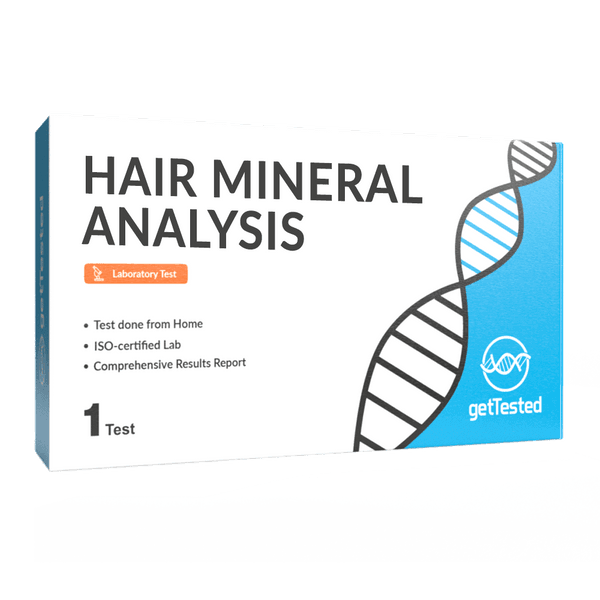
GetTested's Hair Mineral Analysis provides a comprehensive insight into your mineral balance and heavy metal levels by analyzing hair. This non-invasive test measures 39 different substances to identify nutrient imbalances and toxic exposures. The test is analyzed at an accredited and ISO-certified laboratory and measures:
₹ 17 099.00 INR
 Lab Test
Heavy metals are among the most significant health concerns of our time. They can generate numerous free radicals in our bodies, which many researchers believe to be the root cause of various chronic diseases today, including dementia, Parkinson’s, and diabetes. GetTested’s Heavy Metals Test measures the concentration of the following substances in urine: Aluminum, Lead, Arsenic, Cadmium, Chromium, Cobalt, Copper, Nickel, Mercury, and Zinc.
₹ 13 499.00 INR