Order before 2:00 PM - your package will be shipped the same day!

Baker’s yeast
Baker’s yeast intolerance is a condition where individuals find it difficult to digest baker’s yeast, often leading to gastrointestinal discomfort. Unlike a baker’s yeast allergy, which causes an immune reaction and can result in more severe symptoms, intolerance is confined to digestive problems. Symptoms usually appear after consuming foods or beverages containing baker’s yeast.


Description
What is baker's yeast intolerance and how does it differ from baker's yeast allergies?
Baker’s yeast intolerance involves the digestive system’s inability to properly process baker’s yeast, a common ingredient in bread and baked goods, resulting in discomfort and various symptoms. This is a non-immune response, unlike a baker’s yeast allergy, which is an immune reaction to proteins in baker’s yeast, potentially causing severe symptoms like hives, swelling, or anaphylaxis. Baker’s yeast intolerance generally leads to milder, primarily digestive-focused symptoms and does not involve the immune system.
What are the common symptoms of baker's yeast intolerance?
- Bloating and gas
- Abdominal pain
- Diarrhea
- Nausea
- Indigestion
- Headaches
When should I consider getting a baker's yeast intolerance test?
If you consistently experience digestive discomfort such as bloating, abdominal pain, or diarrhea after eating bread or other baked goods containing baker’s yeast, it may be wise to consider a test for baker’s yeast intolerance. This is particularly important if these symptoms disrupt your daily activities or if the specific cause of your discomfort is unclear, as it could be indicative of other dietary sensitivities or health issues.
How can I manage and cope with baker's yeast intolerance in my daily life?
Managing baker’s yeast intolerance involves avoiding or limiting products containing baker’s yeast. Since baker’s yeast is a common ingredient in many types of bread, pastries, and some alcoholic beverages, it’s important to read food labels carefully. Seek yeast-free alternatives, such as sourdough made from natural fermentation or yeast-free bread and crackers. For the nutritional benefits provided by yeast, like B vitamins, include other sources in your diet. Consulting with a dietitian can help ensure a balanced diet while avoiding baker’s yeast. Keeping a food diary can be beneficial in identifying other potential food intolerances and in tracking dietary adjustments.
Tests containing this item
 Lab Test
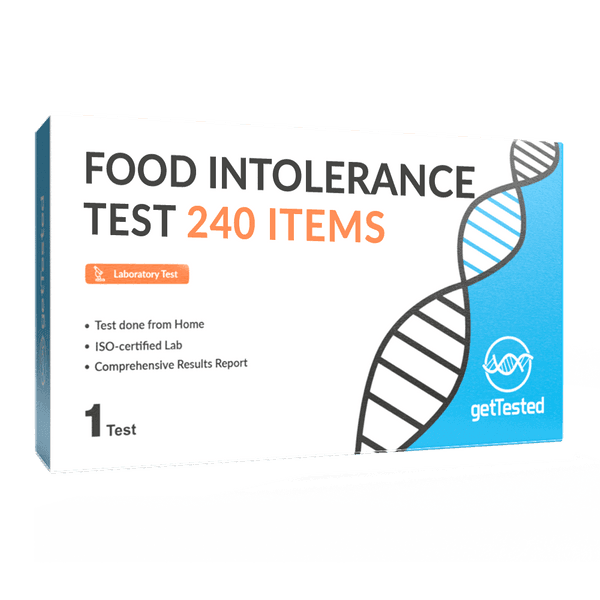
GetTested’s Food Intolerance Test 240 items analyzes IgG4 antibodies for 240 different foods often involved in hypersensitivity reactions. Unlike allergic reactions that are instant, symptoms from food intolerance can occur hours to days later, making it difficult to link to the foods you’ve eaten.
₹ 26 099.00 INR